

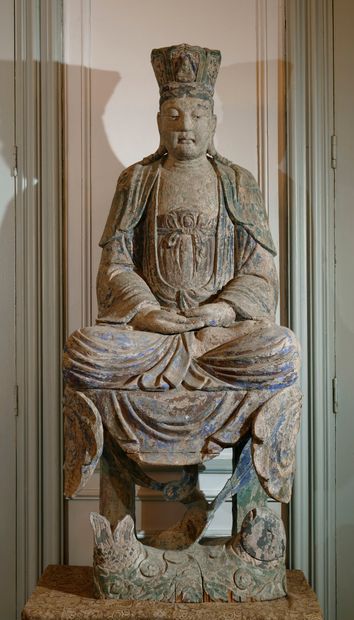
Sale information - MARCEL PERRON ESTATE - SECOND SALE - DESIGN, FURNITURE AND OBJETS D'ART, PAINTINGS
MARCEL PERRON ESTATE - SECOND SALE - DESIGN, FURNITURE AND OBJETS D'ART, PAINTINGS
Saturday, May 10, 2025 - 2 pm
Lots 200 to 500
Sale on site
Château de l'Abbaye - 70130, Neuvelle-lès-la-Charité
Public exhibitions :
Thursday May 8, 10am to 12pm and 2pm to 8pm
Friday, May 9, 10am to 12pm and 2pm to 6pm
Saturday May 10th from 10am to 12pm
Sales manager :
Inès VEYNE
For further information, please contact
lyon@debaecque.fr
Collection of lots :
Château de l'Abbaye - 70130 Neuvelle-lès-la-Charité
Special delivery and collection conditions :
From Sunday May 11, 2025 to Wednesday May 14, 2025 inclusive.
To enable us to organize the remaining shipments, a second delivery session will be held :
Monday June 2 and Tuesday June 3 by appointment.
For particularly heavy lots, we remind buyers that their carriers must be able to carry out the removal alone, and that they undertake to use all necessary means to remove the said lots without damaging the château and its grounds; any damage caused during removal will engage the responsibility of the buyer and/or his carrier/supplier.
Virtual tour first floor :

Virtual visit second floor :

___
MARCEL PERRON ESTATE
House Sale springtime at Château de l'Abbaye
- Friday May 9, 2025 - 8pm: First sale (lots 1 to 199) - African Art and Primitive Arts - Exclusively Online on Interenchères
- Saturday May 10, 2025 - 2pm: Second sale (lots 200 to 500) - Design, Furniture and Works of Art, Paintings
- Sunday May 11, 2025 - 2pm: Third sale (lots 600 to 1099) - Furniture and Works of Art, Paintings
- Monday May 12, 2025 - 8 pm : Fourth sale (lots 1100 and following) - Classic Sale (Paintings, Furniture, Works of Art) - Exclusively Online on Interenchères